Inquiries
Melbourne Asia Review is a research-based publication of the Asia Institute, University of Melbourne.

INTRODUCTION: Towards more durable peace processes
The need to move from episodic conflict management to more equitable peace processes is more urgent than ever.
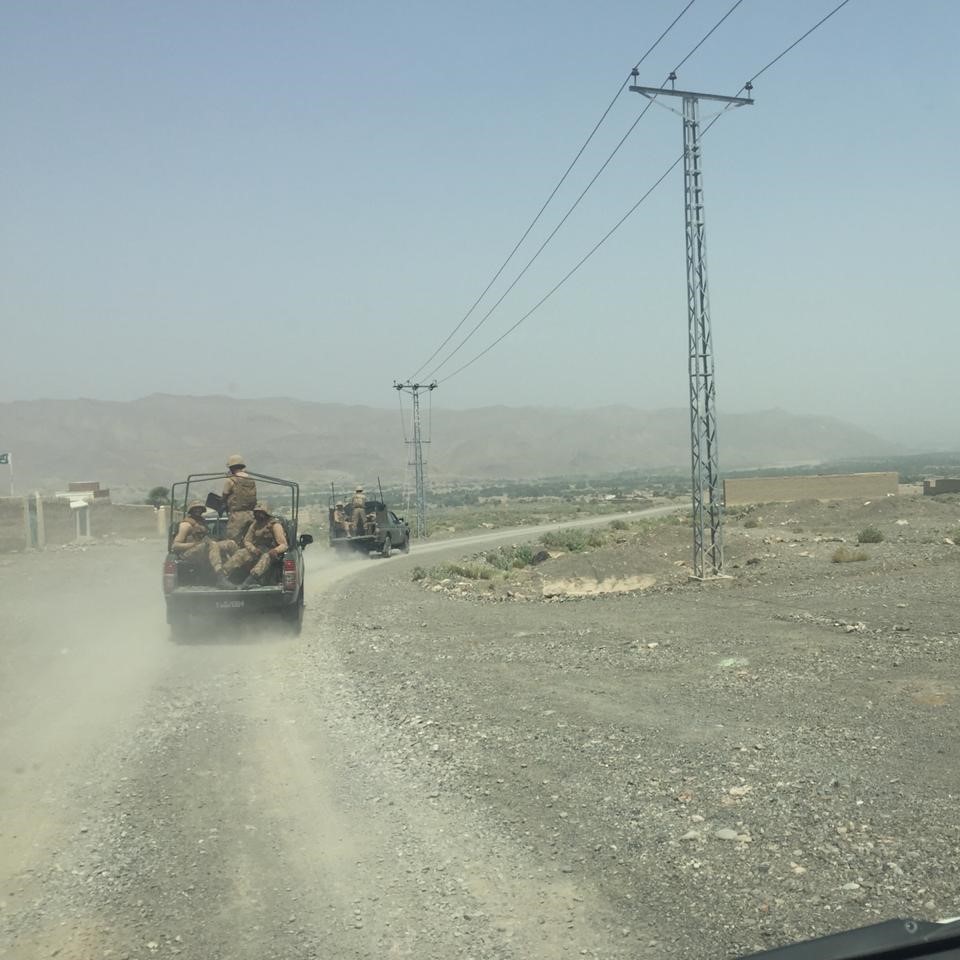
Persistent borderland insecurities and the transformation of violence in Waziristan
Waziristan, located along the Afghanistan-Pakistan borderlands, has long been a major epicentre of insurgency and violence.
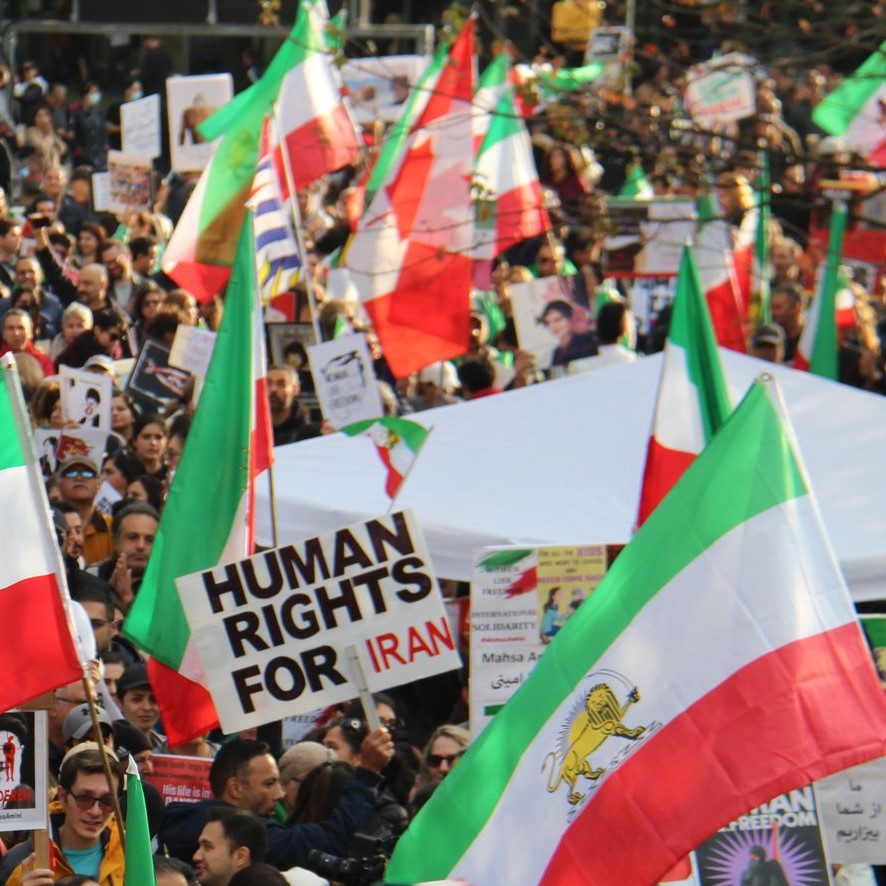
Minoritised groups and the limits of political transitions in Iran and the Middle East
Political transitions in Iran prioritise regime stability, treating demands from minoritised communities as threats to national integrity.
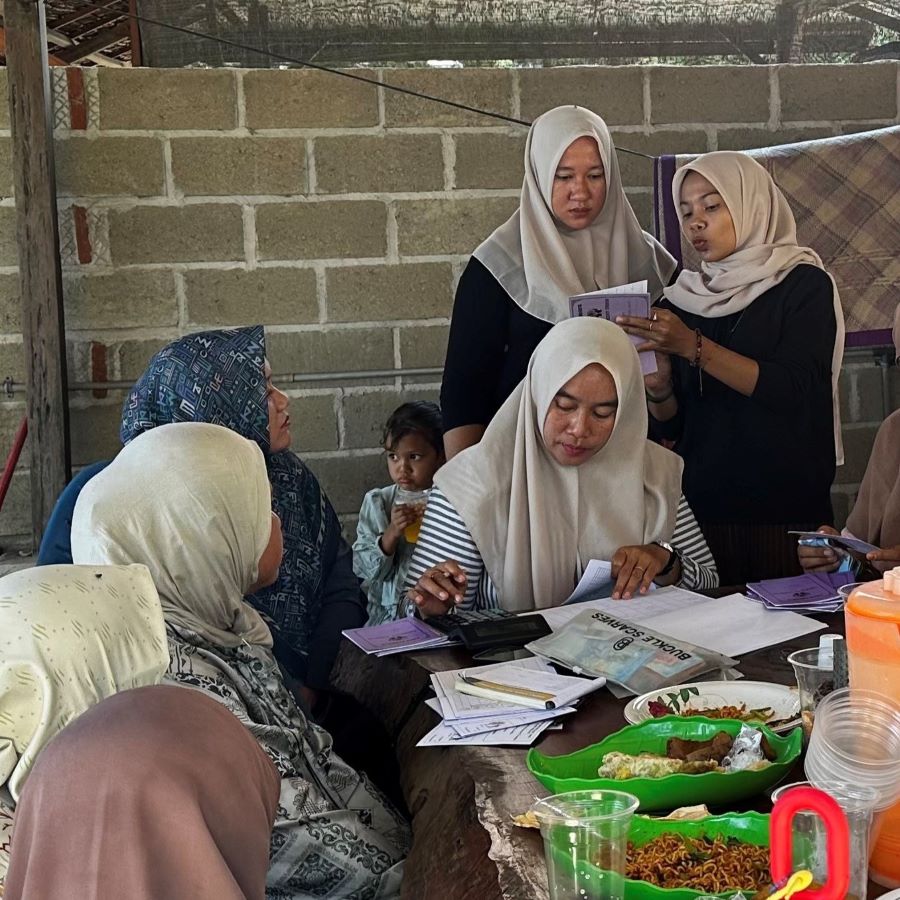
Against the current: Acehnese women’s experiences of post-conflict transformation
The Indonesian province of Aceh is an example of the possibilities and limits of post-conflict transformation.
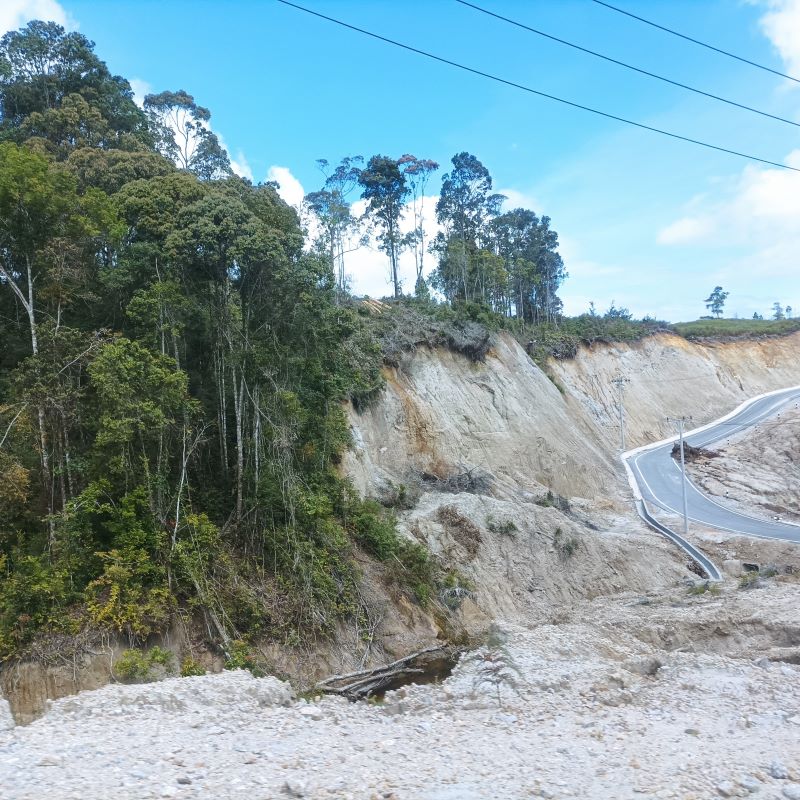
Transforming Indigenous forest conflicts in Indonesia through peace-oriented policy infrastructure
Conflict over natural forest resources is worsening in Indonesia, with deforestation and displacement of Indigenous peoples.
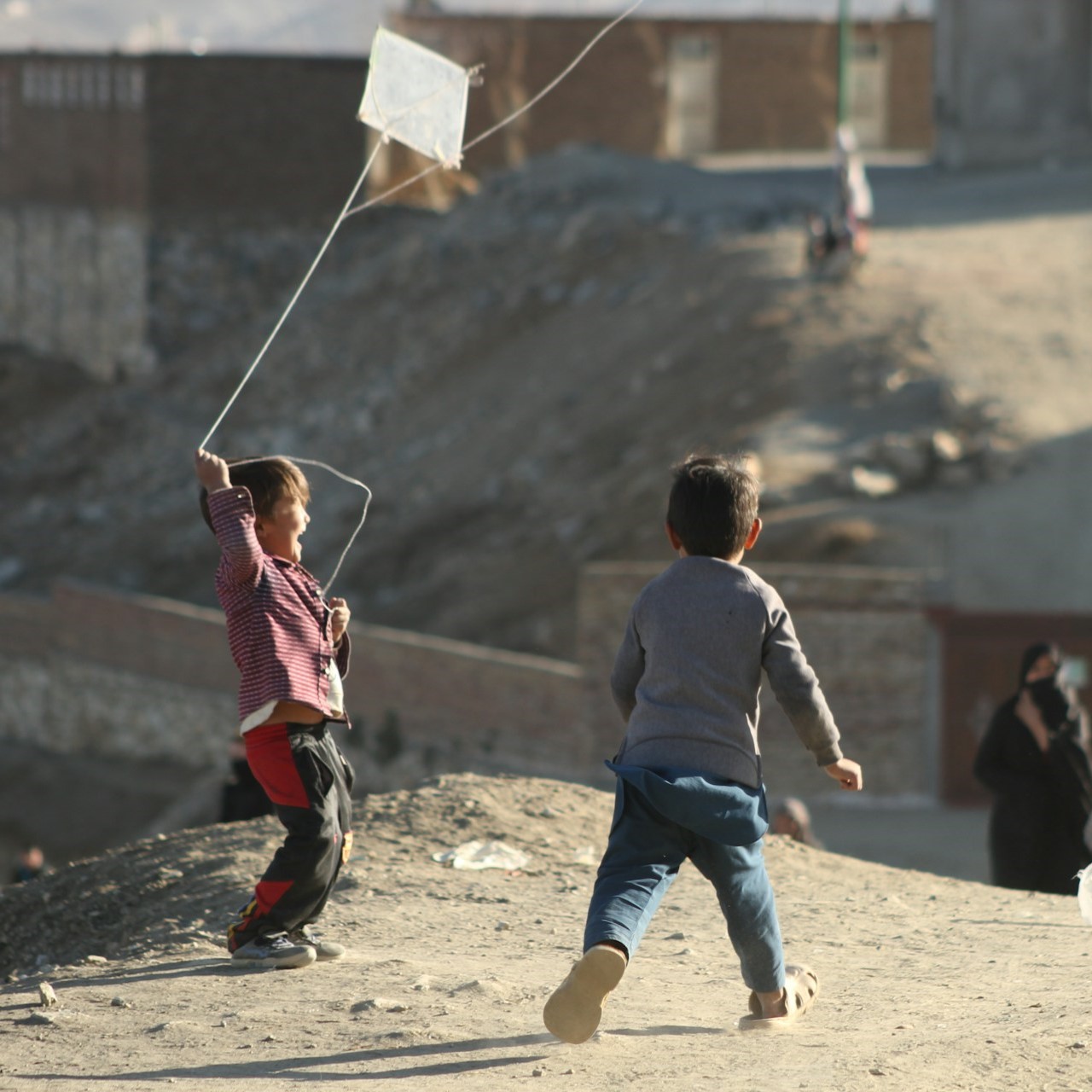
‘Mapping Futures for Afghanistan’, edited by Arif Saba, Abbas Farasoo, Farkhondeh Akbari and Niamatullah Ibrahimi
This book attempts to keep alive hope of a more stable future through political inclusivity, accountability and respect for human rights.
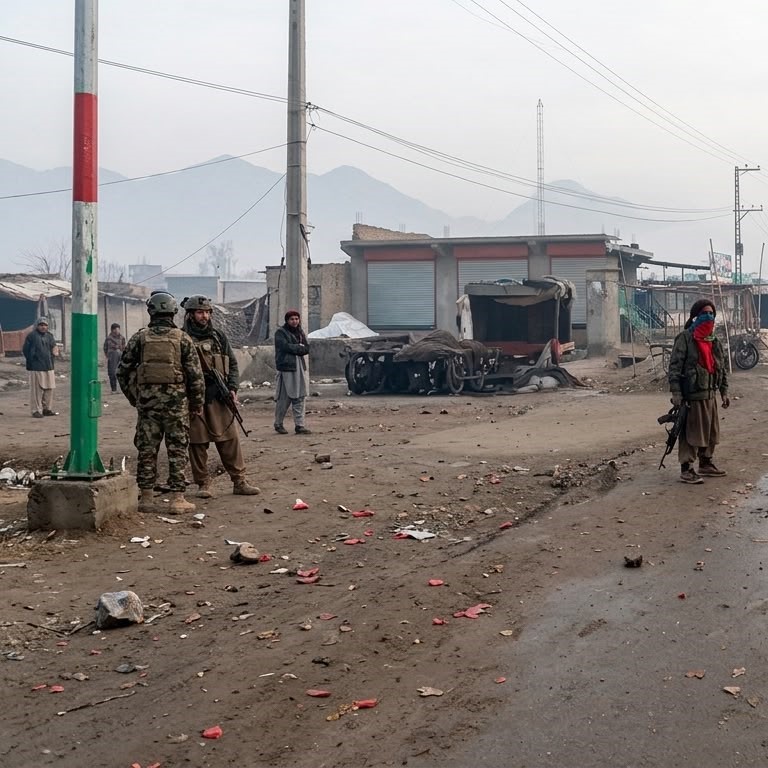
Afghanistan-Pakistan-India insecurity needs to be understood as an interconnected conflict system
Conflict involving Afghanistan, Pakistan and India is a complex interplay involving interstate rivalries, militant insurgencies, and global power competition.
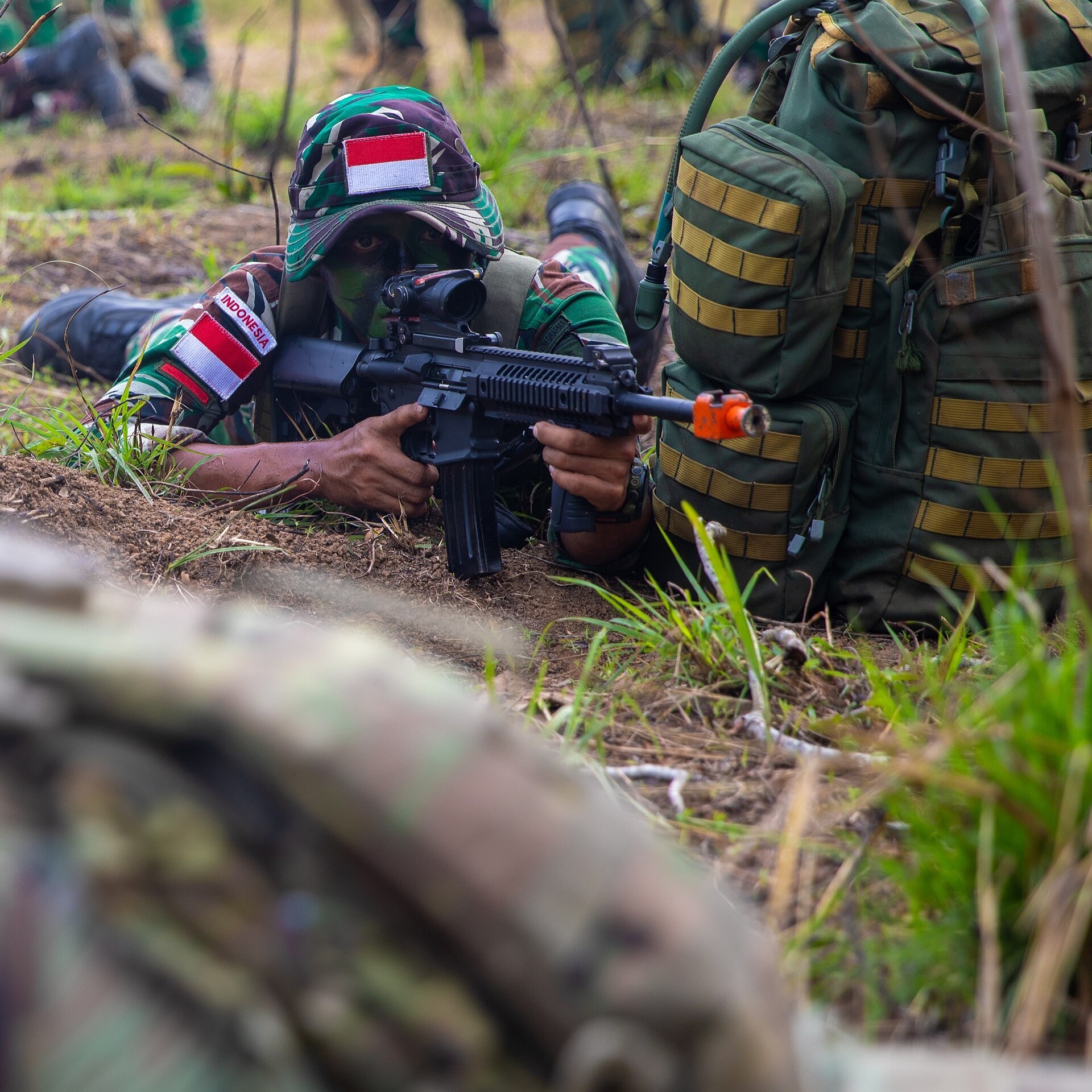
Expanding armies, shrinking peace: Militarisation in Southeast Asia
Several large Southeast Asian nations are increasing their defence budgets and deepening military ties. What will this mean for conflict resolution?
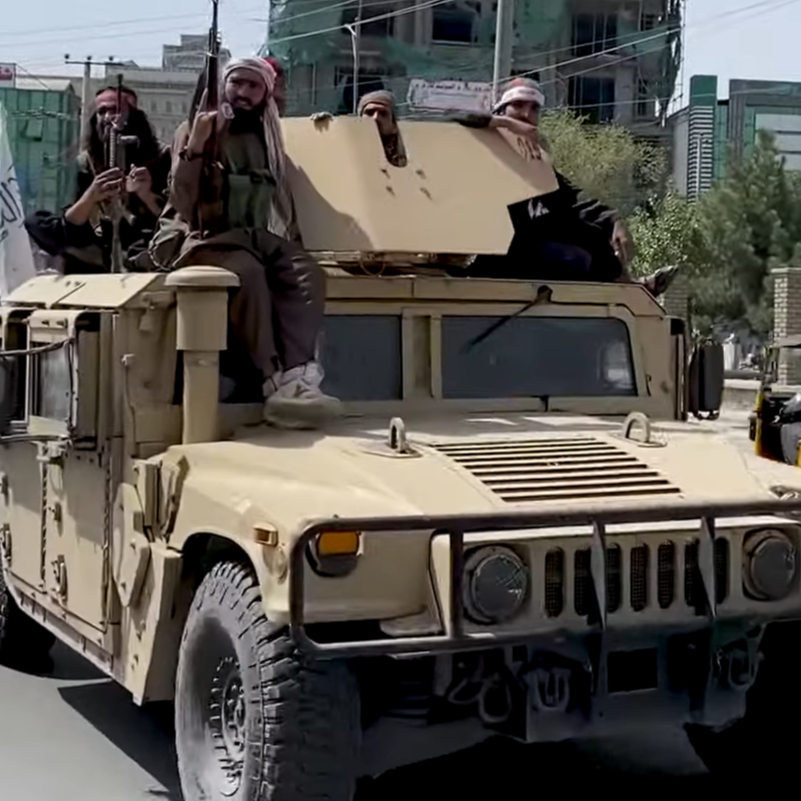
The Taliban’s madrasas: Institutionalising radicalisation in post-2021 Afghanistan
The Taliban in Afghanistan is establishing thousands of new religious schools, which will likely create a generation susceptible to violent extremism.
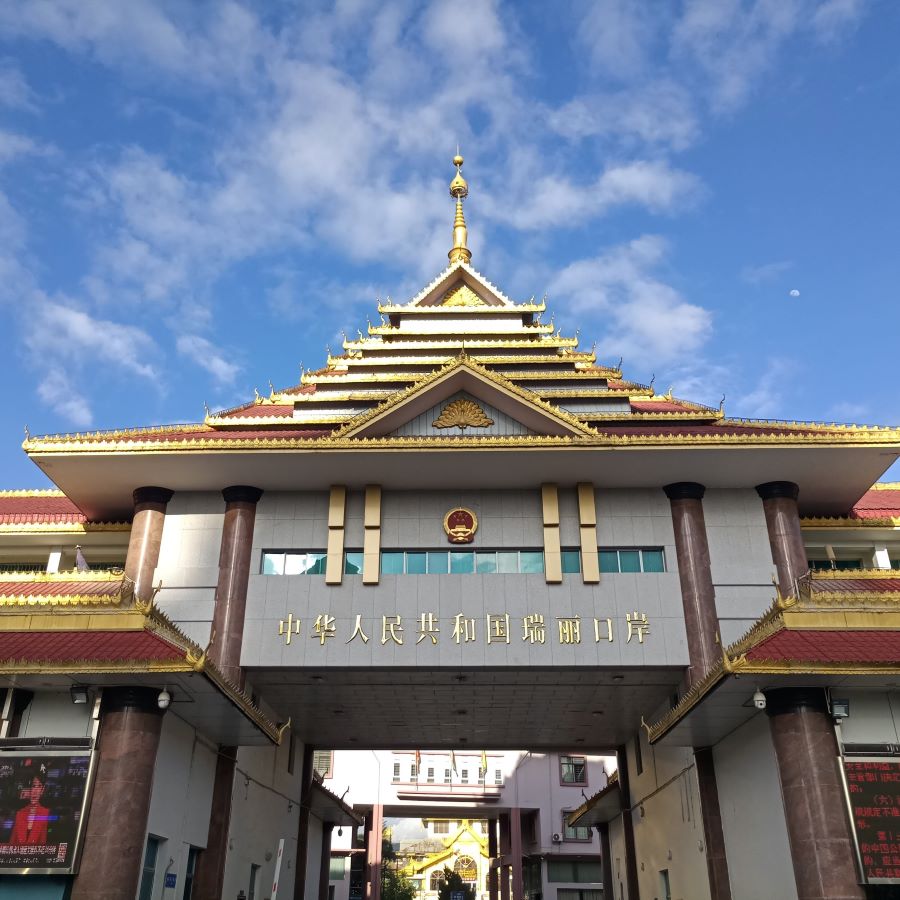
China’s mediation in Myanmar: With mind and muscle
China’s mediation in Myanmar indicates a change to China’s foreign policy away from a stated policy of ‘non-interference’.
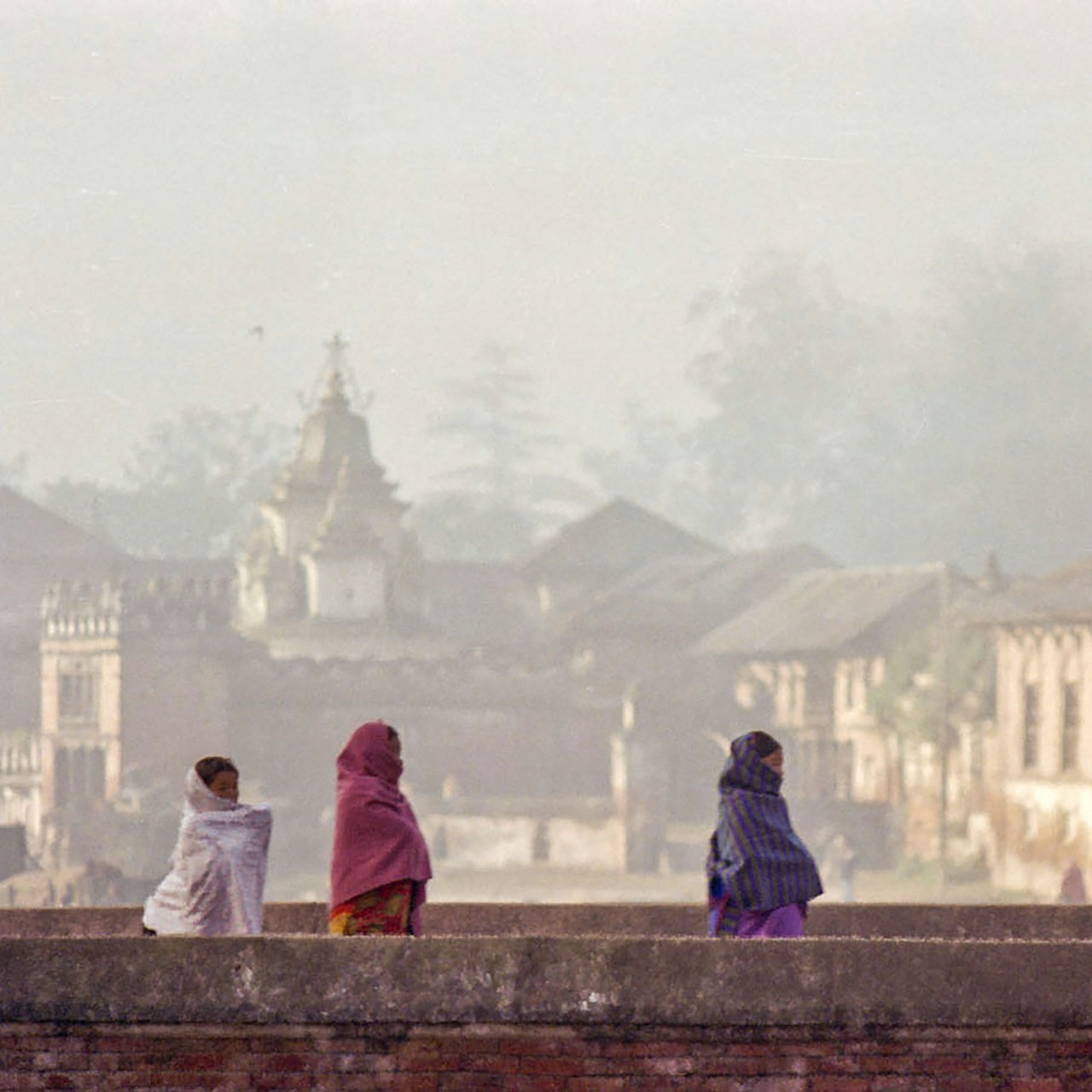
Reimagining transitional justice through survivor-defined knowledge and action in Nepal
How can Nepal build institutions capable of supporting women survivors of conflict-related sexual violence?
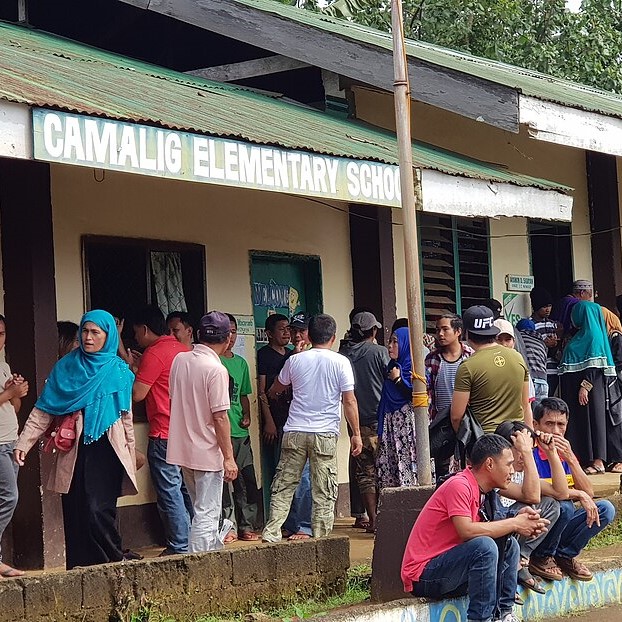
INTERVIEW: ‘People can live normal lives, they can have ambition’
Senior Filipino peace negotiator Miriam Coronel-Ferrer on the strengths and weaknesses of the Bangsamoro peace agreement.
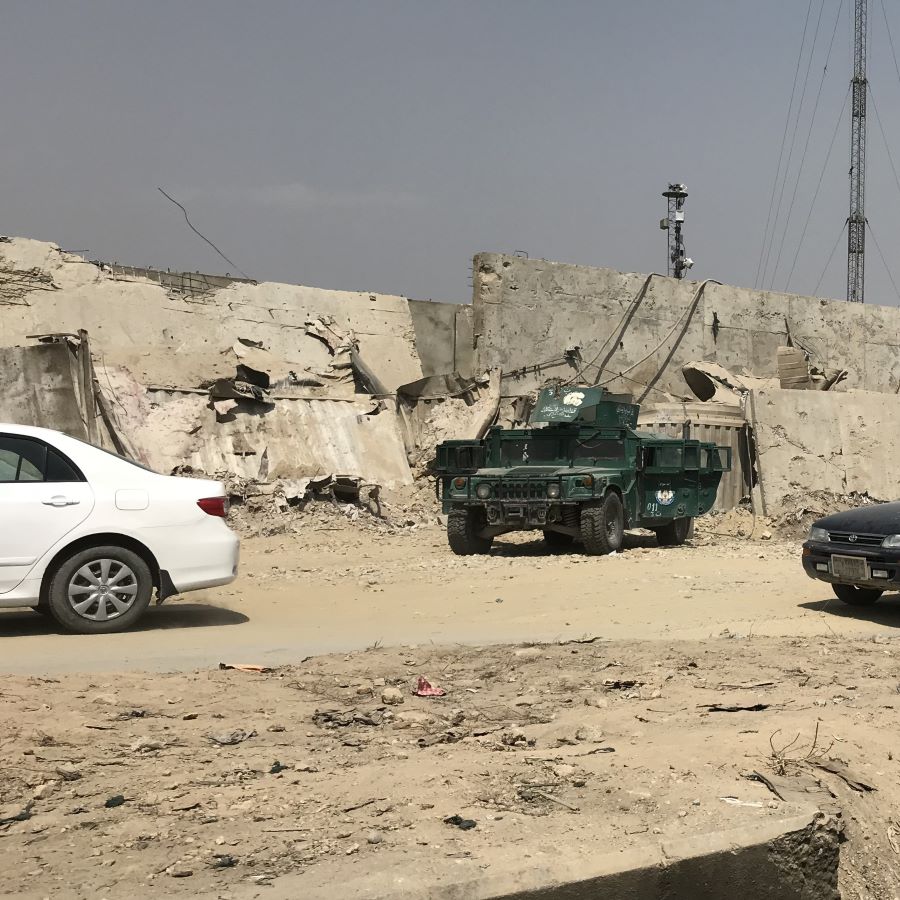
Negotiating peace under occupation: The 2016 Afghan Peace Agreement
Peace in Afghanistan is often portrayed as the product of international intervention. But in 2016 Afghan mediators secured a landmark peace agreement.
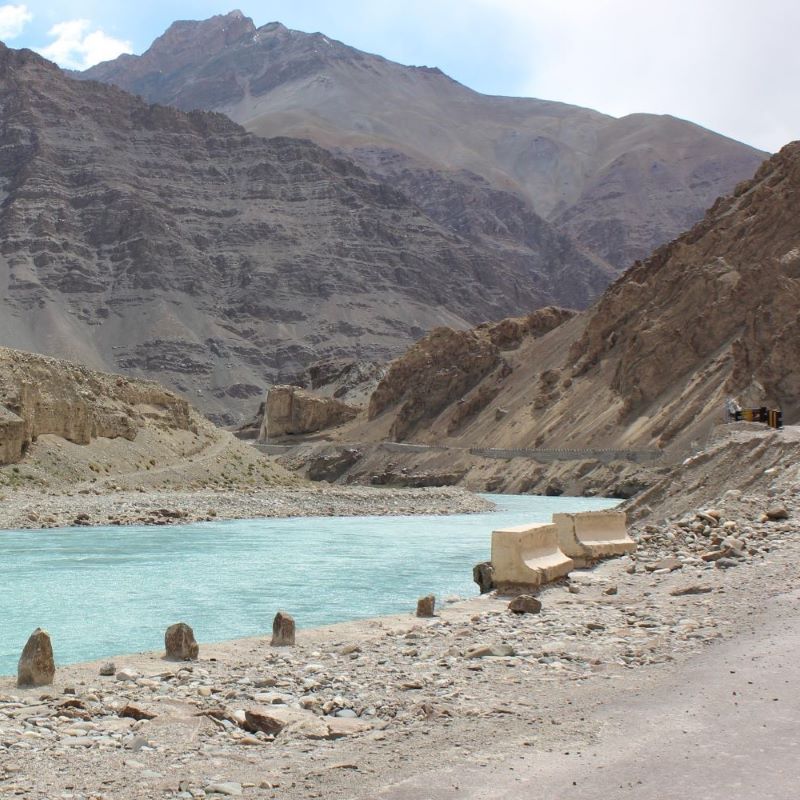
Why water governance in the Indus Basin must be beyond fraught India-Pakistan relations
Conflict between India and Pakistan shows how vital shared transboundary resources, such as water, can be placed at risk.